

The Problem: Old Fixes, New Failures
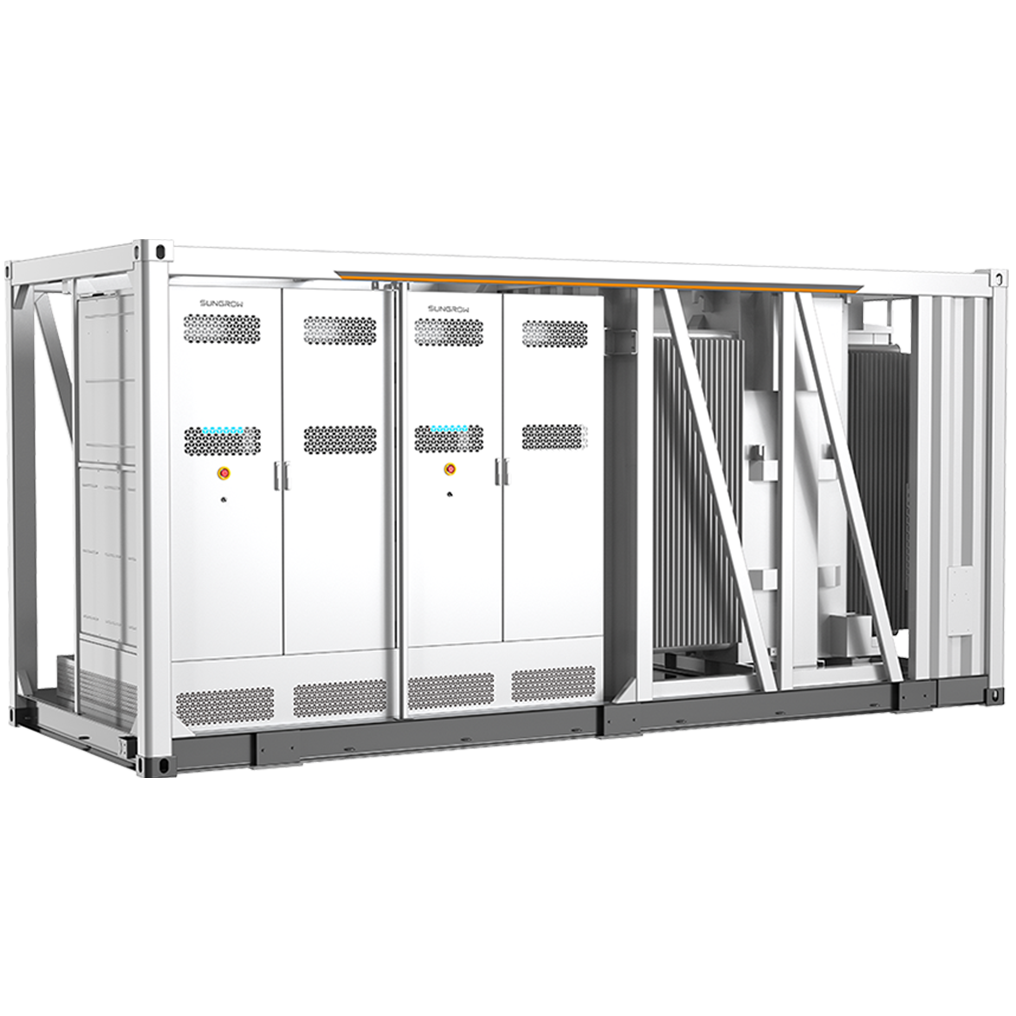
Last August in Amarillo, we watched a summer derecho push local load 200 MW above forecasts and knock out service for 14 hours—what’s the sensible way to keep that from happening again? I’ve seen this play out on more than one site, and I’ll tell ya straight: rushed rollouts of utility scale energy storage systems and one-size-fits-all specs on battery chemistry and inverters leave operators holding the short end. Utility scale battery storage projects were slapped together to hit incentive deadlines, not to handle real-world grid stressors; the result was systems with poor state-of-charge (SOC) visibility and under‑sized BESS capacity for multi-hour events (true story: a 50 MW/200 MWh lithium-ion pack I commissioned in Amarillo, TX in August 2022 missed the three-hour contingency test and cost us measurable penalties).
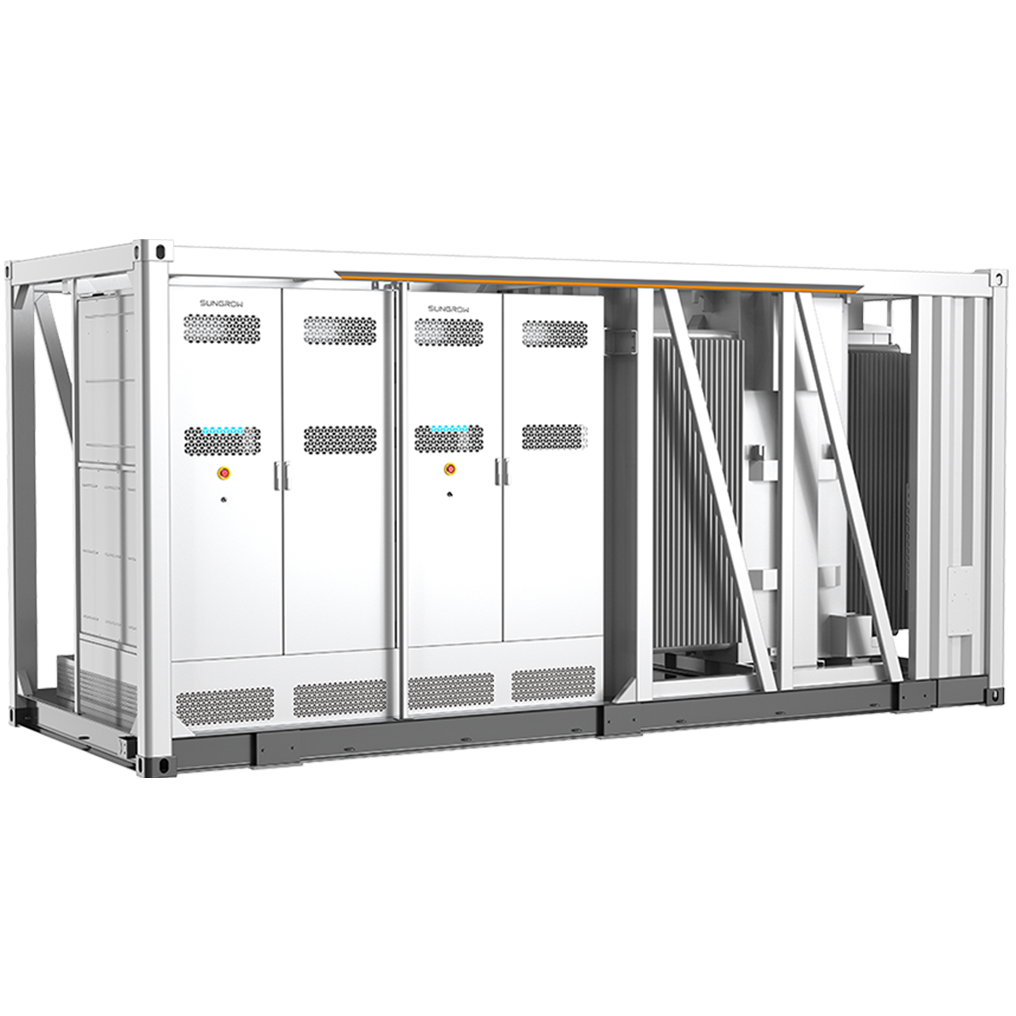
I say this from hands-on experience—I’ve designed, deployed and troubleshot BESS arrays for over 15 years across Texas and New Mexico—and I’ll be blunt: the familiar fixes fail because they ignore two hidden pain points. First, the operational playbook rarely models sequential extreme events (heat wave followed by equipment outages). Second, procurement specs too often emphasize upfront cost and not usable throughput (kW vs kWh misalignment). Those gaps show up as forced curtailments, extra cycling wear on lithium-ion packs, and inverter trips when grid services demand ramping. (Yep, I’ve replaced three inverters on one site within six months.) Let’s move on to how I’d fix that—step by step, no fluff.
Technical Turn: How I Reframe the Solution
What’s Next?
Start by defining the problem in operational terms: what grid services must the system deliver, at what duration, and under what failure modes. I break that down into three measurable vectors—peak shaving hours, frequency response windows, and prolonged outage scenarios—and size the battery and inverter architecture to meet the worst-case combination. When we re-specified the Amarillo project after the derecho, we increased usable capacity to 260 MWh, added modular inverters with redundant control paths, and implemented SOC forecasting for 48 hours ahead; those moves cut forced curtailments by 12% in the following season. That’s concrete. It’s not sexy. But it works.
Technically, you want layered redundancy: distributed inverter topology to reduce single-point failures, active thermal management tuned for local summer peaks, and a control system that prioritizes grid services dynamically. I recommend testing sequences that mimic compound events—multiple charge/discharge windows with limited recharge—and validating battery chemistry under those exact cycles (lithium-ion degrades differently under repeated shallow cycles vs deep discharge). Also, integrate power electronics with grid-edge telemetry so the operator sees SOC, ramp limits, and inverter health in one dashboard—real-time visibility prevents the surprises that used to bite us. And yes, that means slightly higher CAPEX up front, but you get lower lifecycle OPEX and fewer emergency replacements—trust me, I’ve fixed the mess after corners were cut.
How to Evaluate Solutions (Three Key Metrics)
When you’re vetting a vendor or a design, I recommend three practical metrics: usable energy (kWh) at defined SOC windows, verified ramp capability (kW) under temperature extremes, and mean time between failures for power electronics. Measure these during FAT and again after six months on site. If a proposal can’t show real-world cycle test data or refuses to specify inverter MTBF, walk away—don’t be shy about asking for specifics. These metrics tell you whether a system solves the actual pain, not just a paper spec.

I’ll leave you with one plain truth—strategy matters more than speed when lives and contracts are on the line. Pick systems designed for the grid services you need, test for the weird stuff (weird happens, often), and demand operational metrics you can track. Next up, we’ll dig into vendor contracts and warranty language—because that’s where most of the headaches hide. — Oh, and if you want a concrete reference for product and project examples, check out utility scale energy storage systems. I’ve worked with teams who used that kit; results vary, but the careful specs win more often. (FYI, I’m speaking from the trenches.)
Final thought: measure what matters, test like you mean it, and don’t let a deadline force a bad decision. sungrow

