

Immediate problem: erratic demand, tight budgets, and no margin for downtime
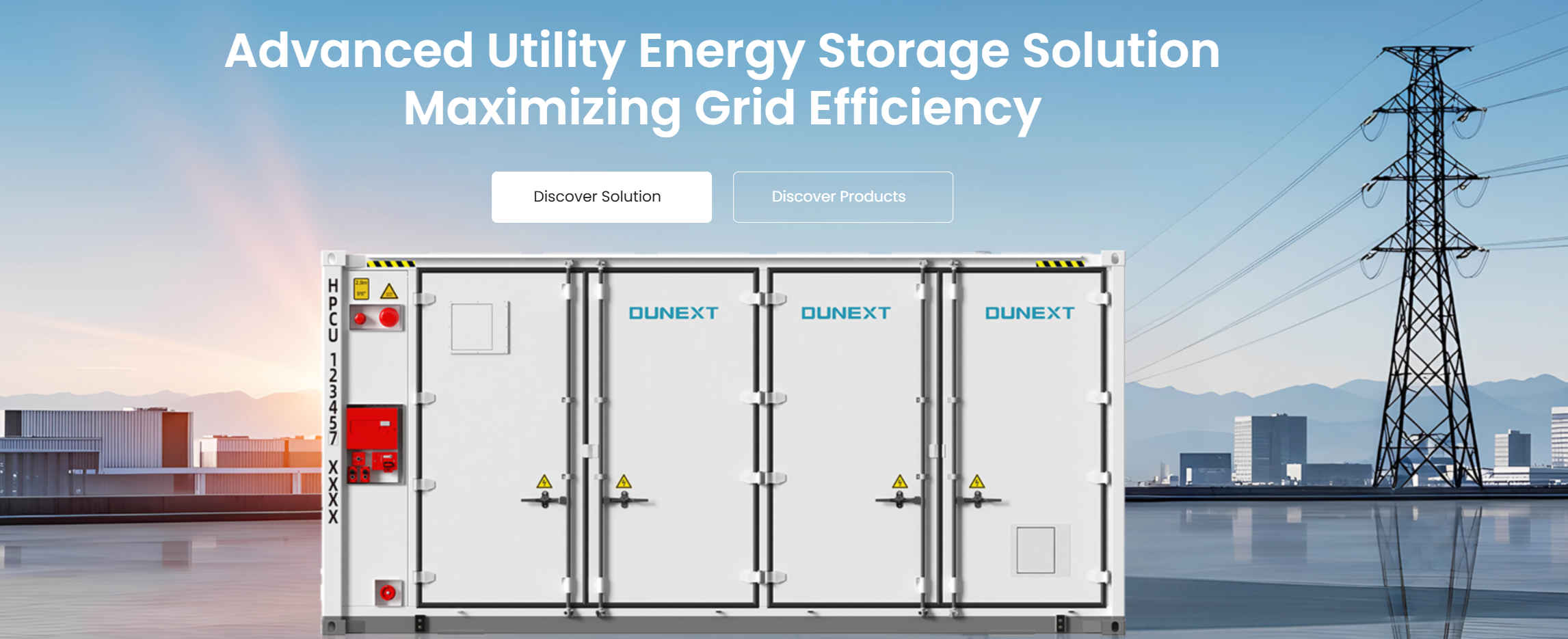
Factories and large facilities face sharp load swings, rising peak charges, and occasional grid failures that stop production. For many operations the technical answer is straightforward: add storage. That’s why companies are turning to commercial and industrial energy storage early in their plans—so they can shift load, shave peaks, and keep lights on when the grid hiccups. Practical deployments often pair on-site PV and batteries; for example, many teams now evaluate industrial solar battery storage as the primary buffer rather than a secondary nice-to-have.
Why this is a problem-driven approach
Start with the pain. You don’t pick a system because it’s trendy; you pick it because a specific problem occurs repeatedly: unplanned downtime, demand charges that spike your monthly bill, or volatile local grids during extreme weather. After the February 2021 Texas power crisis, numerous industrial operators reassessed where risk sat on their shop floors and chose battery systems to manage both economic peaks and resilience. That single event shifted procurement discussions from “maybe someday” to “how soon.”
What a solution must deliver
Match the battery system to the failure modes you face. A resilient installation must do at least three things reliably:- Handle short-term outages so critical lines stay powered.- Reduce peak demand to cut demand charges on monthly bills.- Integrate with controls so batteries don’t sit idle or conflict with onsite generation.Design around those needs and you avoid overspending on capacity you won’t use.
Sizing, controls, and real steps to deploy
Don’t guess—measure. Run an interval load study for 2–4 weeks to find true peaks and duration. Then follow a narrow process:- Define the service to protect (e.g., emergency lighting, process line A, or the whole plant).- Size energy (kWh) to cover duration; size power (kW) to meet instantaneous load.- Specify controls: time-of-use arbitrage, peak shaving thresholds, and automatic islanding for outages.- Require a test plan: factory acceptance, commissioning, and at least quarterly functional checks.These steps cut procurement mistakes and keep the project on schedule.
Common pitfalls and how to avoid them
Buyers often stumble on three predictable mistakes: under-specifying inverter power for starting motors, ignoring round-trip efficiency in economics, and skipping integrated controls with your building management system. Avoid those by insisting on:- realistic motor start tests,- confirmed cycle efficiency from the vendor instead of brochure numbers,- and open communication protocols like Modbus or BACnet for coordination.
Evaluating vendors and alternatives
Look beyond brand logos. Evaluate field references, warranty fine print, and how the vendor handles second-life battery options. Consider two clear alternatives:- On-site batteries sized for resilience and peak reduction (best for plants with frequent short outages).- Hybrid systems with PV and batteries for fuel reduction plus resilience (best where roof area is available and daytime loads align).Pick whichever addresses your primary problem—don’t chase features you won’t use.
Final synthesis
Start with the pain, size to the need, and insist on controls that actually run the system when it matters. That practical path—focused on measured load profiles, clear service levels, and tested controls—turns energy storage from a technical novelty into a reliable asset. For companies wanting pragmatic, field-proven options that match those requirements, suppliers like Dunext have built offerings that map directly to the operational problems described here, so you get resilience and load management without the guesswork.

