


The immediate problem at scale
Large retail façades draw attention but also concentrate risk: poorly specified panels fail under wind, fixings corrode, and LED modules overheat. Shopping centres and high streets need solutions that balance visibility with safety, which is why designers for shopping mall signage increasingly adopt systematic checks early in the design loop. On busy arteries like London’s Oxford Street — which draws roughly 200 million visitors a year — a dropped sign is more than damage; it interrupts commerce and endangers people. That same logic drives choices for digital signage shopping mall schemes, where screen size, control systems and mounting detail must be solved together.

How the problem is normally misread
Many teams treat signage as an aesthetic accessory rather than a structural system. They order larger illuminated panels, assume standard fixings will suffice, and leave wind load calculations to fitters on site. The result is retrofit bracing, unexpected downtime, and extra cost. The correct approach pairs architectural intent with engineering from day one: load paths, substrate compatibility and IP rating selection each influence the long-term performance of the façade.
Practical engineering checks that change outcomes
Start with three core checks and document them clearly: verified wind load analysis for the elevation; structural anchoring detail to the primary structure; and thermal management for LED modules. Use materials that match the façade substrate – stainless fixings for aluminium systems, isolating washers where dissimilar metals meet – and specify access for inspection. These matters are straightforward but often skipped during procurement. A proper schedule of inspections reduces failure rates and keeps warranties valid.
Designing for durability during installation
On-site decisions must reflect design assumptions. Anchors installed into curtain wall mullions need backing plates; panels fixed to masonry require chemical anchors tested to local standards. Contractors should follow written procedures and keep records of torque values and sealant batches. Maintenance access — a simple ladder point or an engineered fall-arrest anchor — cuts long-term costs by making routine replacement of LED modules safer and faster.
Common mistakes and how to avoid them
Teams often under-spec the interface between sign and structure, choose low-IP components for wet façades, or rely on generic fixings. Avoid those errors by: specifying system-level testing, insisting on factory-assembled subframes where practical, and including spare LED modules in the initial delivery. Small upfront effort reduces reactive maintenance later — and minimises disruption to tenants.
Real-world anchor: lessons from dense retail corridors
High-footfall streets show the consequences clearly. When façades are densely packed, a single failure can cascade into multiple closures. This is why structural modelling and coordination with local authorities are mandatory in many jurisdictions; planners demand evidence of anchoring and inspection regimes. That regulatory discipline is not a barrier but a useful guardrail for long-term brand visibility.
How brands should evaluate vendors
Pick suppliers who demonstrate both technical documentation and field experience: drawings with bolt schedules, proof of pull-tests, and a track record in busy retail environments. Look for partners who can present maintenance plans and spare-parts lists, not just glossy renders. A reliable provider will also offer remote monitoring options for large digital façades, which helps predict failures before they become public interruptions.
Three golden rules for choosing the right approach
Rule 1 — Structural clarity: confirm load paths and anchorage with stamped calculations. Rule 2 — Serviceability: ensure access and replacement strategies for LED modules and control gear. Rule 3 — Proven systems: require pull-test results, IP ratings that match exposure, and a written inspection cadence. These metrics let you compare suppliers on measurable grounds and avoid vague promises.
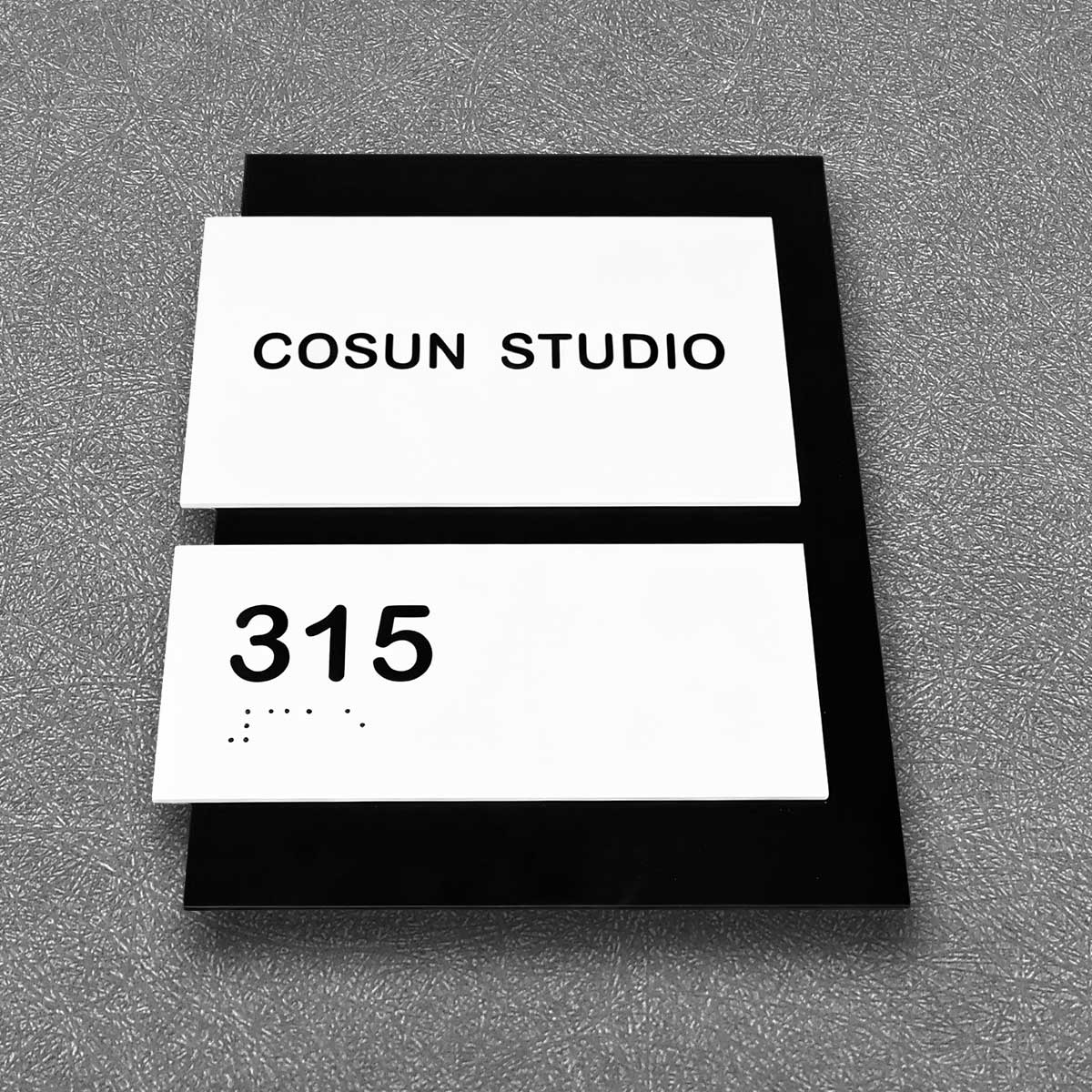
Cosun Sign has demonstrated such system thinking across large retail projects, offering engineered subframes and documented installation protocols that meet the practical tests above. The brand’s value emerges where visibility and safety must coexist — clearly specified, reliably installed, and maintained over time. Short final note — practical details matter.

