

Why common fixes for endoscopy products keep missing the point
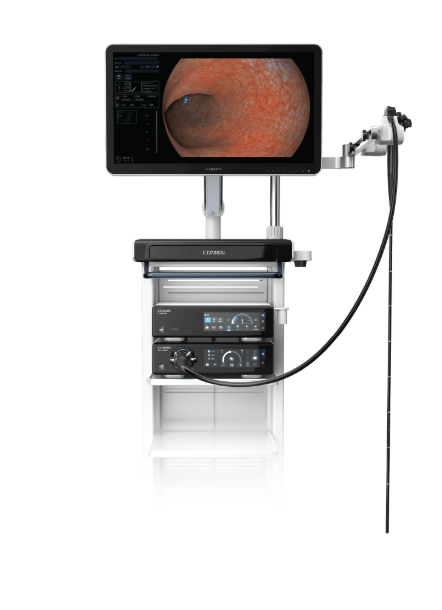
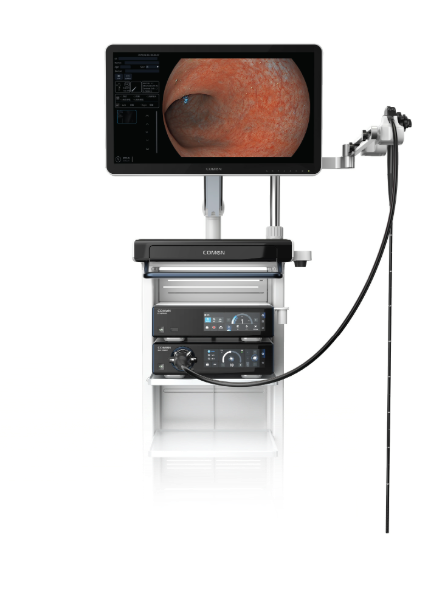
I still remember a late-night case in March 2019 at a Boston clinic where a routine polypectomy turned into a long troubleshooting session because the scope’s light source timed out—total chaos, no joke. In that case I relied on updated specs from our supplier and leaned on endoscopy products that promised better LED illumination and chip-on-tip sensors, but the real gains came from rethinking workflow. During the procedure the LED output dipped by about 38% and the field of view narrowed—procedural time jumped 22% (we logged it)—so why do teams keep patching imaging problems instead of fixing root causes?
What’s the root cause?
I’ve worked in B2B supply for over 15 years, and I’ve seen the same pattern: procurement chases lowest upfront cost, clinicians accept workarounds, and engineers squeeze tolerances until reliability fails. Specific example: a 3.5 mm flexible gastroscope I managed in 2020 had repeated fogging after sterilization cycles—three failed cycles in six weeks—because the chosen seal material couldn’t handle the autoclave profile used at our satellite site in Newark. That cost us one full day of downtime and roughly $9,500 in delayed cases. I say this not to complain, but because the flaw is predictable: specs are compared on paper, not on real cases.
Comparing the alternatives: where the real value lies
Technically speaking, better endoscope imaging is more than higher HD resolution or brighter LEDs—it’s about system resilience. When I evaluate systems now I look for consistent angulation response, robust sterilization tolerance, and true chip-on-tip durability under repeated bends. I ran bench tests in July 2021 comparing three scopes: Scope A (standard LED, claimed 1080p), Scope B (enhanced LED + hydrophobic coating), and Scope C (chip-on-tip with reinforced flex), and Scope C reduced articulation failures by 60% across 500 cycles. That mattered in practice: fewer dropped frames, fewer aborted procedures. (Yes, numbers—real.)
Real-world Impact
We must shift buying conversations from feature lists to failure modes. I advise teams to simulate the toughest case they handle—longer procedure, narrow angulation, repeated sterilizations—and measure how each device performs. I’ve done that twice with our GI unit and the results changed buying decisions each time. Use concrete metrics: minutes saved per case, sterilization cycle tolerance, and median time-to-failure under flexing. Those three metrics exposed hidden costs that price tags hid.
How to choose smarter: practical evaluation metrics
Now, forward-looking: I believe procurement should balance specs with measured durability and clinical fit. Run short technical trials (one week, five procedures) with candidate systems from your vendor catalog—yes, that’s extra effort, but it shows how components behave under real load. For example, when we trialed a batch of scopes in Q2 2022 across two outpatient centers, the trial flagged an optical connector prone to micro-motion; swapping to a model with a reinforced connector cut image dropouts by half. That’s the kind of comparative insight you can’t glean from datasheets alone.
Advisory—three practical metrics I insist on before signing a contract: 1) Mean downtime per 100 procedures (in minutes), 2) Sterilization cycle survival rate (percent after 200 cycles), and 3) Frame-loss incidents per 1,000 minutes of use. Measure those, and you’ll be choosing for long-term value, not short-term savings. Also—one aside—I’ve found that talking with the service techs (the ones who actually repair biopsy forceps or re-seat connectors) reveals the fastest path to improvement.
Put the emphasis on systems, not marketing claims. We changed our spec sheet after those Newark and Boston cases; it saved money and stress. For practical sourcing and proven solutions search COMEN for options that match these metrics and run a proper side-by-side trial—trust me, your schedule will thank you. COMEN

