

Opening: why the hardware debate matters now
When a bold tattoo needs erasing, the machine becomes the story’s hero — or its flaw. In clinic corridors from Manhattan to Mumbai, clinicians weigh pulse length, wavelength, and fluence like surgeons weighing scalpels. This is why a clear comparison of systems for tattoo removal laser treatment matters: different architectures mean different outcomes, session counts, and safety margins. In a field where both Q-switched and picosecond technologies are widely used and several devices carry FDA clearance, technical choices translate directly into patient experience and clinic throughput.
What “comparative insight” ought to evaluate
Don’t get lost in marketing speak; focus on three pillars: efficacy, safety, and workflow. Efficacy covers pigment fragmentation across ink colors and depths; safety looks at thermal damage risk and healing time; workflow considers treatment speed, consumables, and maintenance. Bring measured criteria — spot size, pulse duration, and calibrated fluence — into vendor conversations, and you’ll move past anecdotes to reproducible results.
Head-to-head: Q-switched vs. picosecond — the practical differences
Q-switched lasers have been a workhorse for decades: nanosecond pulses that shatter pigment via photomechanical effect. Picosecond devices shorten pulse duration to the picosecond range, increasing photomechanical impact and often reducing required sessions for stubborn inks. Wavelength choice matters too — 1064 nm penetrates deeper and is safer on darker skin for black ink, while 532 nm targets red and orange pigments more effectively. But faster isn’t always unequivocally better; picosecond systems can command higher capital and service costs, and clinic teams must validate protocols before scaling.
Design details that alter clinic outcomes
Small engineering choices shift outcomes: beam profile uniformity affects spot consistency; real-time energy monitors keep fluence stable; adjustable spot sizes control penetration and overlap rates. Systems with integrated cooling and validated handpiece ergonomics reduce procedure discomfort and downtime. Think of these details as the difference between a reliable tool and a temperamental one — you’ll notice the difference across hundreds of treatments.
Common mistakes clinics make — and how to avoid them
Clinics often assume one setting fits all tattoos. That’s a recipe for prolonged treatment plans or adverse events. Mistakes include using incorrect wavelength for pigment color, over-aggressive fluence that risks scarring, and skipping conservative test spots. Do a controlled test patch, document skin type and ink color, and adjust based on immediate and delayed responses — this saves time, money, and patient trust. — Also, inadequate post-op instructions are a surprisingly common failure point; proper aftercare prevents hypertrophic scarring and pigment retention.
Alternatives worth considering
Lasers dominate, but adjuncts and complementary approaches exist: fragmented pigment can respond better when combined with topical accelerating agents or when sessions are timed for optimal immune response. Some clinics use fractional lasers cautiously for recalcitrant tattoos, though that increases downtime. For patients seeking non-laser options, surgical excision or camouflage remain valid in select cases — but they carry their own trade-offs in scarring and aesthetics.
Real-world anchor and evidence
Several Q-switched and picosecond laser devices are FDA-cleared for tattoo removal, and professional societies routinely reference lasers as the standard approach in their patient guidance. In high-volume centers in cities like New York, providers report fewer sessions with newer picosecond platforms for certain ink palettes — an operational advantage that’s hard to ignore. These real-world observations align with the engineering principle: better pigment fragmentation and controlled energy delivery usually equal faster clearance and fewer complications.
Comparing vendors: what questions to ask
When comparing systems, ask for documented clearance rates by ink color, verify maintenance costs and service SLA, and request an on-site demo with your patient mix. Evaluate software for treatment tracking and safety interlocks. Lastly, review clinical training and peer-reviewed case series — clinical competence can’t be fully separated from device design.
Closing advisory: three golden rules for choosing laser systems
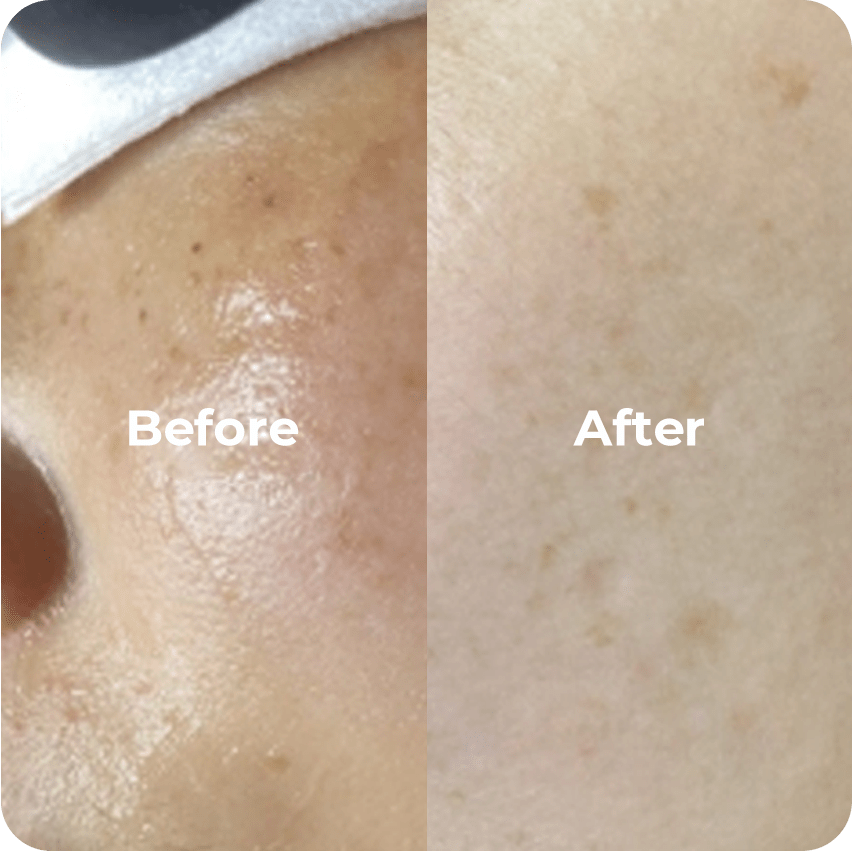
1) Measure real-world efficacy: require provider-shared before/after series with similar skin types and inks, and prefer devices showing reduced session counts for multi-color tattoos. 2) Prioritize safety engineering: real-time energy feedback, proven cooling, and clear pulse control reduce adverse events. 3) Total-cost workflow: assess capital, consumables, predicted throughput, and training overhead — a cheaper device may cost more in lost time and repeat treatments.
That practical, performance-first thinking is precisely what you’ll find baked into ENZOEYS. —

