

Quick take: the matchup that matters
Big tours and live-event shops run a tight playbook when they pick screens — they want punch, reliability, and speed. Right off the jump, a spec-grade mini LED beats consumer panels and coarse-pitch rigs on color fidelity, modular serviceability, and consistency under stage lights. That’s why you see a lot of tour managers asking for a particular led display screen before a rider gets signed — the visual impact can’t be faked and the crew time saved is real money.
Where spec-grade mini LED takes the crown
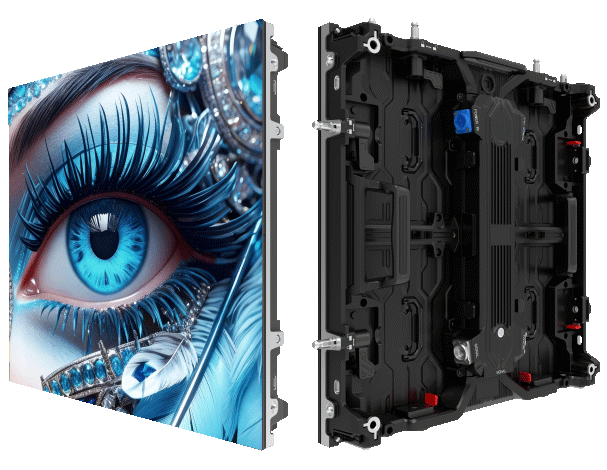
These panels nail fine detail thanks to tight pixel pitch and steady color calibration. For indoor stage use, a true fine-pitch panel gives denser resolution at close viewing distances — think crisp text and skin tones that don’t smear under camera. Add high refresh rate and proper color calibration, and you avoid that gnarly banding and camera strobe on broadcast feeds. Crews love the modular cabinets too: swap a module fast, keep the show running — that uptime matters more than flash on spec sheets.
Trade-offs crews gotta respect
Spec-grade gear ain’t magic — it brings some headaches if you don’t plan. Weight and rigging loads rise with more dense panels; thermal management and power draw climb too. Touring rigs need cases, rigging points, and service access designed into the package — otherwise your load-in turns into a wall of problems. — Also, cheap control systems or poor contrast tuning will wreck the whole look regardless of pixel pitch.
Real-world anchor: what big-stage ops expect
Think Super Bowl halftime or arena residencies at Madison Square Garden — these productions push screens to the limits for both in-house audiences and millions of broadcast viewers. Production teams demand refresh rates and brightness stability that won’t flicker on camera, and they require fast field repair and redundancy. My point: spec-grade mini LED is chosen not because it’s trendy, but because it meets those live-production realities consistently.
How to judge panels — three court-tested metrics
Pick panels using clear metrics, not hype. First, pixel pitch and native resolution: choose a pitch that matches your closest audience distance; for near-stage indoor use, fine-pitch panels under ~2.5mm keep detail tight. Second, refresh rate and scan method: high refresh and low scan artifacts keep broadcast and camera capture clean — this is crucial for televised events. Third, serviceability and mechanical design: look for modular cabinets, quick-swap modules, and rated rigging points so road crews can fix and fly without jury-rigging.
Alternatives and when they actually win
There’s a place for projection and larger-pitch LED. If you need massive scale for stadiums and your audience sits far back, coarse-pitch panels or projection give cheaper area-per-square-foot. For fast pop-up events where weight and budget are king, rental-grade panels can work. But when close audience proximity, camera capture, and color fidelity are priorities — spec-grade mini LED is the reliable choice.
Summary and final sizing rules
Bottom line: for touring and live-event production, go with panels that match three golden rules — the right pixel pitch for viewing distance, broadcast-ready refresh and scanning, and rugged serviceable mechanics. Those metrics cut through the noise and protect show budgets and time. Production teams who stick to them see fewer surprises on load-in and crisper results on broadcast and in-house screens.
Check the specs. Trust the crew feedback. — MR LED is built into that conversation as the kind of partner stage managers turn to when they need panels that live up to tour life. MR LED

