

A Morning Commute, Reimagined
I roll out before the rush, the sky still soft, and the streets getting loud by the minute. An urban motorcycle under me hums as the city wakes—buses sigh, scooters buzz, cafés clink. In a typical city, the average rider hits 12–18 red lights in a 30-minute commute, with stop‑start cycles eating as much as 20% of usable time and fuel. Now picture this: your bike anticipates the next green phase, paces you smoothly, and trims the drag of every downshift. Would your morning feel calmer, safer, maybe even shorter? In Milan, Barcelona, or Turin, riders say time saved is the real luxury (and mamma mia, they’re right). We talk a lot about power and style, yet the true battle is with friction—tiny delays that stack up like coins in a jar. So, what if our machines could actually see the rhythm of the road and guide us to flow instead of fight it? Let’s shift gears and look at what’s been getting in the way—and why it keeps happening, even with “modern” gear. Avanti, andiamo to the next layer.
The Hidden Cost of Stop‑Start: Where Commuters Lose Time
What actually slows you down?
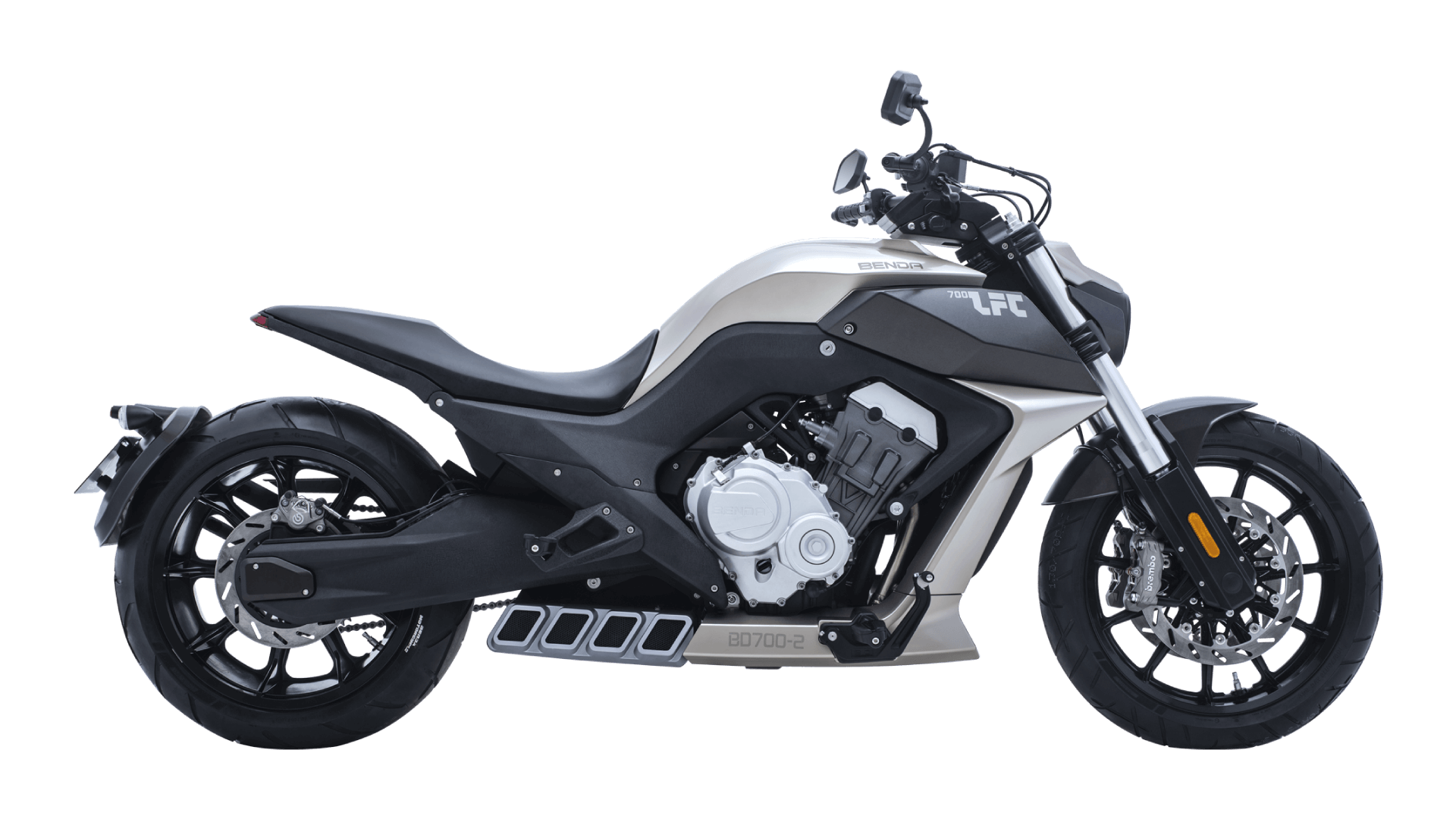
City riders lean on commuter motorcycles for one job: get there fast, with less stress. Look, it’s simpler than you think. The old fixes—bigger engines, louder pipes, stiffer clutches—fight symptoms, not causes. In dense traffic, micro-delays come from throttle lag, late braking, and terrain cues missed by the rider and the machine. Even with good ABS and traction control, the ECU reacts after the fact. The CAN bus streams data, sure, but it’s inward-looking. It doesn’t “see” the city. Thermal management helps when idling, yet it cannot free you from the red-light lottery. And accessories wired through small power converters just sip energy; they don’t add foresight. Traditional CVT tuning or gearing swaps promise snappier starts, but they also amplify fatigue and fuel burn. You get bite, then bounce, then heat. Meanwhile, your line choice suffers because your brain is monitoring too many little tasks—funny how that works, right?

Here’s the deeper pain point: cognitive overload in slow chaos. Riders juggle mirrors, gaps, signal timing, and road texture at once. Without contextual hints—like upcoming phase changes or lane speed averages—human reaction wins or loses the minute. That’s why clutch modulation gets choppy, throttle response feels inconsistent, and momentum dies between second and third. The machine remains reactive. You remain tense. The city keeps its lead. A smarter baseline would align torque delivery with likely flow, not just wheel speed. Until then, every “upgrade” is a bandage—fast to apply, quick to fray.
From Reactive to Predictive: Smart Systems for City Flow
What’s Next
Now for the turn forward. The new playbook treats the city as a live network, not a backdrop. Edge computing nodes at intersections push SPaT data to bikes, while C‑V2X modules translate that into pacing cues in your dash. Your IMU still manages stability, but the bike’s logic shifts from reflex to strategy. On a capable motorcycle for city riding, adaptive throttle maps sync with predicted greens, and low‑speed engine braking is tuned to hit rolling starts instead of hard stops. Power converters still feed the peripherals, yes, but the real gain comes from the brain: a lightweight model that blends traffic density, gradient, and lane speed, then trims your inputs by a fraction you can feel—less clutch feathering, fewer panic taps. The result is time smoothed, not merely saved. And your attention? It’s freed to scan for the human things—pedestrians, eye contact, street texture. That’s safety by subtraction.
We’ve seen early case examples in pilot corridors where riders cut idle time by 12–18% and reduced harsh braking events by a third. It is not magic; it is orchestration. A motorcycle for city riding that “reads” the block ahead behaves like a good dance partner—light on the wrists, steady on the feet. Compared with traditional upgrades, predictive flow costs less fatigue and returns more dignity. The lesson threads back to our start: friction is the enemy, and context is the cure. If you’re choosing your next setup, anchor on three metrics: signal anticipation accuracy (how often the bike’s guidance hits the green), low‑speed stability without surging (measured by variance in throttle angle), and net idle reduction across your route. Pick for those, and the rest follows—funny how that works, right? In the end, it’s about riding through the city with grace, not force, and letting the machine carry a bit of your mental load with you, not against you. For riders who want to explore that balance with craft and quiet confidence, there’s always BENDA.

