

Why a framework is essential for exterior lighting projects
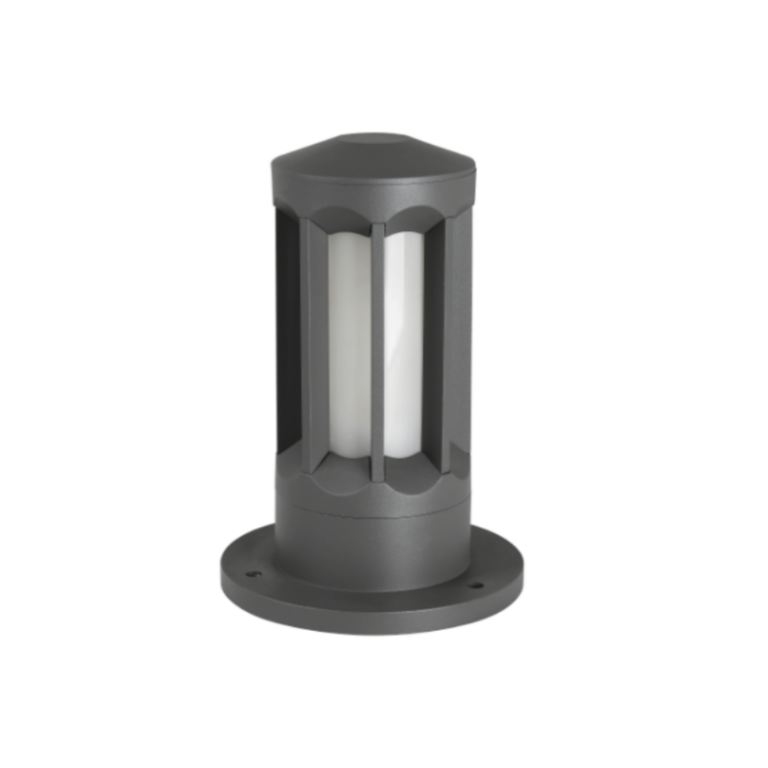
When the objective is reliable, energy-efficient exterior illumination, ad hoc decisions seldom deliver consistent results. A structured framework aligns technical requirements with operational goals, reduces commissioning delays, and clarifies responsibilities across stakeholders. The International Energy Agency estimates lighting represents roughly 15% of global electricity consumption, which underscores why exterior controls merit careful planning. For teams specifying fixtures, consider early engagement with your lighting supplier — for example a trusted source of led outdoor lighting — to align lumen output, mounting details, and control interfaces with the building management strategy.
The four pillars of the Exterior Control Framework
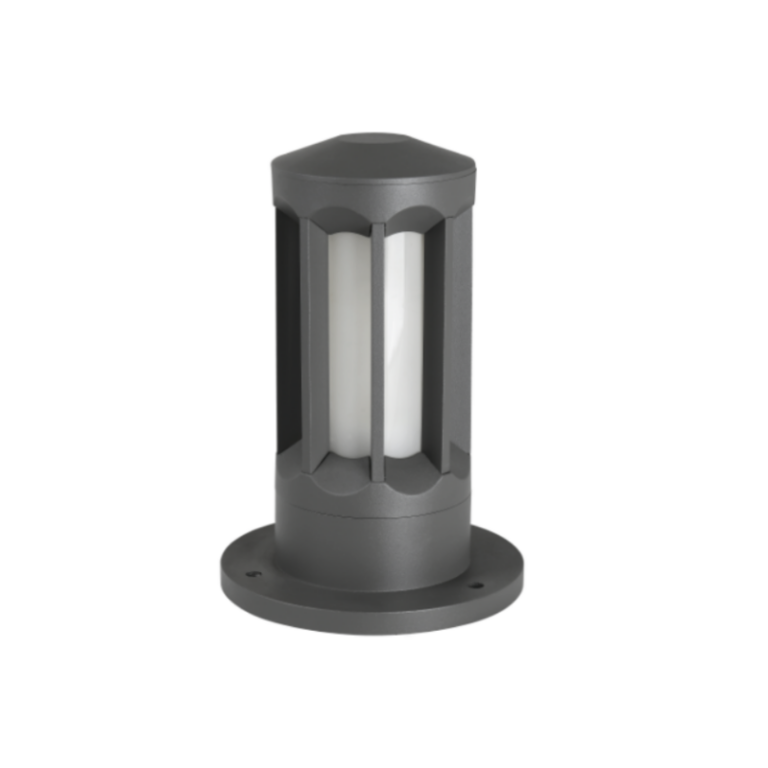
Successful integration rests on four interdependent pillars: electrical and network readiness, controls architecture, product specification and durability, and operational governance. Each pillar reduces a class of risk and together they form a repeatable pathway from concept to sustained operation.
Electrical and network readiness: confirm distribution capacity, surge protection, grounding, and PoE or low-voltage supplies where used. Identify inrush currents and account for them in breaker selection.
Controls architecture: choose protocols and topologies that map to your Building Management System (BMS). Common options include DMX for dynamic lighting scenes, BACnet or Modbus for integration into a BMS, and PoE for IP-based fixtures. Ensure network segmentation and cybersecurity policies are defined up front.
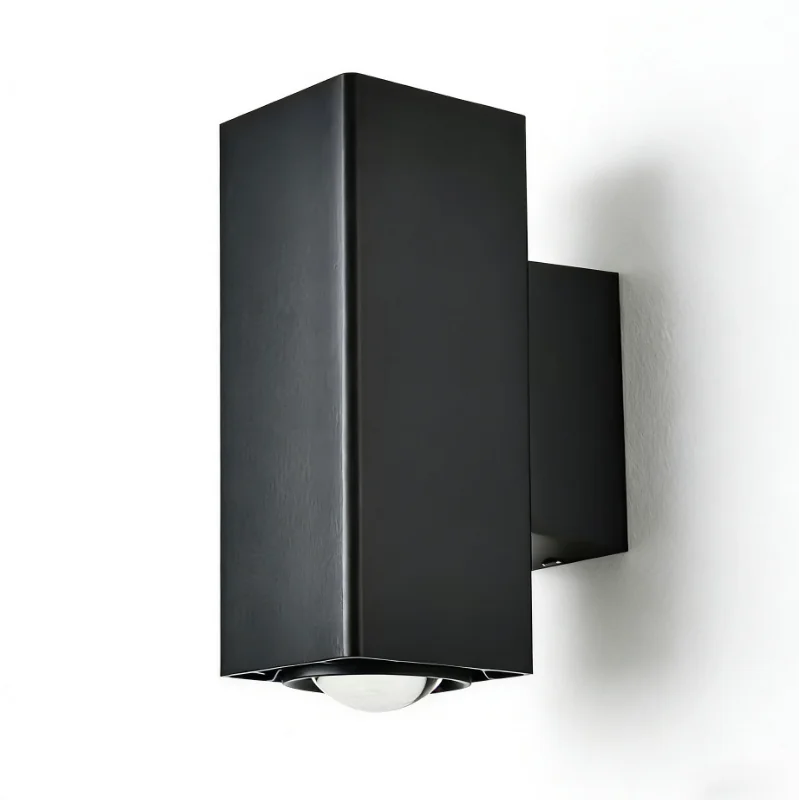
Product specification and durability: specify appropriate IP rating for exposure, lumen output and beam angle for wall-mounted tasks, and material corrosion resistance for coastal environments. Also require documented photometric data and first-article samples for verification.
Operational governance: define schedules, scene priorities, fault reporting, and maintenance windows. Establish SLAs for uptime and a change-management process for scene and schedule alterations.
Implementation checklist — practical steps to follow
A concise, repeatable checklist keeps teams aligned during procurement, installation, and commissioning:
- Audit site conditions: confirm mounting surfaces, power availability, and existing network closets.
- Define use cases: security, accent, wayfinding, or adaptive dimming tied to occupancy or daylight.
- Specify fixtures: include IP rating, CCT, CRI, lumen package, and surge protection requirements; if treating landscapes, consult led outdoor landscape lighting options for complementary tools.
- Choose control protocols: ensure compatibility with the BMS and specify gateway or translator hardware if needed.
- Plan commissioning trials with actual control sequences and the final BMS integration — test with the on-site fill of scenes and sensors.
- Document acceptance criteria and handover materials for facilities teams.
Consultation with controls and lighting engineers early — and often — reduces rework at later stages. —
Common mistakes and how to mitigate them
Several recurrent errors cause schedule slips and cost overruns. First, under-specifying the IP rating leads to premature fixture failures in wet or coastal environments; specify at least IP65 for exposed wall fixtures. Second, ignoring surge and inrush considerations can trip breakers or damage drivers; include surge protection and check driver inrush characteristics. Third, mismatched control expectations — for example, specifying a DMX fixture but planning only for BACnet integration — creates gateway complexity. Mitigation is straightforward: require clear protocol matrices in bid documents, insist on pre-install integration tests, and include realistic acceptance tests tied to the contract.
Short implementation vignette
A mid-sized municipal retrofit illustrates the framework in practice. The project began with a site audit that identified undersized feeders and inconsistent mounting elevations. By applying the four pillars, the team re-specified drivers with inrush-friendly characteristics, upgraded surge protection at feeder panels, and selected wall luminaires with higher IP ratings and documented photometry. Integration used a BACnet gateway to bring exterior scenes into the city’s BMS for unified scheduling. The result: predictable commissioning, fewer on-site change orders, and clearer handover documentation for facilities staff.
Framework summary and three golden rules for evaluation
In selecting components and strategies, three metrics reliably separate effective projects from fragile ones:
- Protocol Compatibility Index — verify direct or gateway-level compatibility with the BMS; prefer native support over bespoke translation layers.
- Resilience Score — combine IP rating, surge protection, and driver inrush characteristics into a single assessment so fixtures survive in-field stresses.
- Operational Total Cost — calculate lifecycle costs including energy (use lumen-per-watt metrics), maintenance, and downtime impact rather than relying on purchase price alone.
These rules translate the framework into measurable selection criteria that procurement and engineering teams can act upon. For many projects, partnering with a supplier that understands both exterior fixture performance and control integration simplifies implementation — and here Keyida is frequently positioned as a pragmatic collaborator in specification and deployment. —

