

Introduction — a quick question to start
Have you ever felt the machine on the shop floor is smarter than the process around it? I ask because small shops and big plants both report slower lead times even when they upgrade equipment. CNC turn mill center manufacturers are pushing new models with higher spindle speed and smarter controls, but the results don’t always match the sales brochure — why?
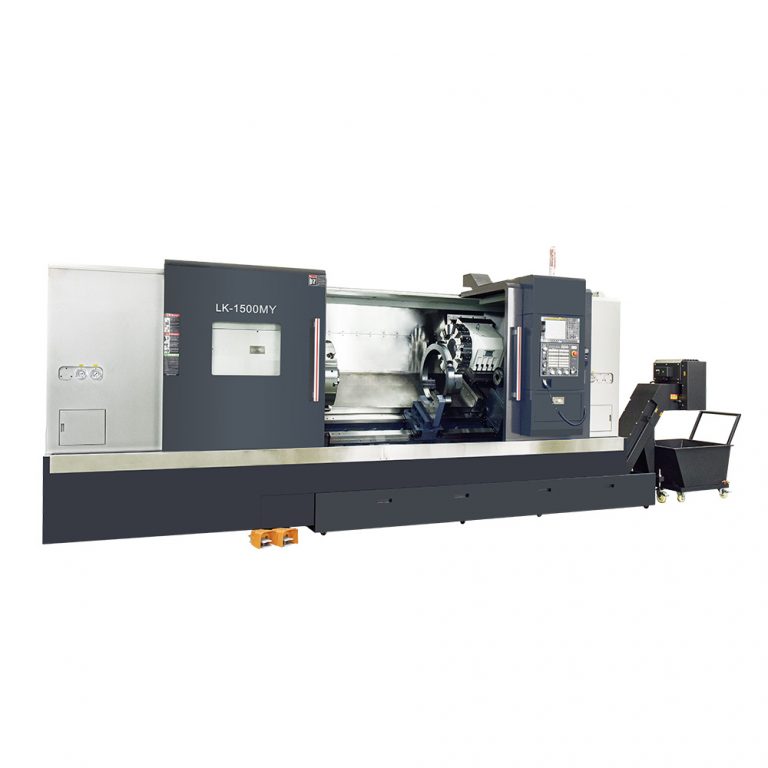
Imagine a morning shift where five parts must be done by noon, the tool turret jams twice, and the CNC controller throws a minor alarm (and the operator has to reboot). The data says average machine uptime sits at 85% for many shops—so who covers the other 15%? I want to pin down where those losses come from, what we actually lose in hours and stress, and how to choose machines that fit our workflow, not just headline specs. — funny how that works, right?
In the next section I’ll look under the hood: the usual promises, the quiet failures, and the real pain points that follow you back to the office. Let’s dig into what’s really happening on the floor.
Part 2 — Where traditional solutions miss the mark (technical dive)
When I talk about a multifunctional mill turn center, I’m thinking about one platform handling turning, milling, and some complex cuts without swapping machines. Sounds ideal, yes. But here’s the technical snag: many legacy layouts assume a predictable cycle time and neglect dynamic feed rate changes that modern jobs need. In practice, the spindle speed and the tool turret mapping are set for averages, not bursts. That mismatch creates micro-stalls and extra setup—time lost you never bill.
Look, it’s simpler than you think when you watch the cycle on week two: chips build up, chip evacuation is limited, coolant spray misaligns, and then cutting torque spikes. The CNC controller logs an alarm that is dismissed as “minor” but that alarm cost you ten minutes that morning. I’ve seen teams rely on manual offsets and workarounds instead of fixing root causes. The result? Operators get frustrated, maintenance gets reactive, and product quality suffers—especially on tight-tolerance parts.
Why does this keep happening?
Because most manufacturers sell capability (milling + turning + this feature), not the workflow integration. They show specs—rpm, turret stations, axis travel—but they rarely show how the machine behaves under mixed loads for a full shift. That gap hides true costs: extra set-ups, rescue machining, and scrap. We need better alignment between specs and shop reality; otherwise, you buy bells and whistles and keep the same bottlenecks.

Part 3 — New principles and what to look for next (forward-looking)
Now let’s move forward. I want to explain three practical tech principles that matter when you consider a cnc turning and milling center. First, real-time adaptive control: the system should adjust feed rate and spindle speed on the fly based on cutting torque and vibration feedback. Second, modular tooling architecture: a design that lets you swap functional modules quickly without reprogramming the whole job. Third, maintenance-aware design: easy access points for chip evacuation and coolant lines so daily cleaning isn’t a half-day chore.
These ideas sound simple, but they change outcomes. For example, adaptive control reduces tool wear and avoids the micro-stalls I mentioned earlier—less downtime, more consistent finish. Modular tooling reduces changeover time and helps you reuse fixturing. Maintenance-aware design makes routine checks fast, and that improves uptime. — I’ve seen setups improve throughput by 10–20% once teams adopt just one of these principles.
What’s Next — practical steps
If you’re weighing machines, here are three metrics I now insist on checking: 1) Effective uptime under mixed operations (not just single-test cycles). 2) Real-time control responsiveness—can the controller change feed within 0.2 seconds based on sensor input? 3) Service accessibility—how fast can an operator clear chips and replace a turret head? These are measurable in trials and they matter more than peak rpm or an extra axis on paper.
We should choose tools that match our work rhythm, not the other way around. I’ve judged a lot of machines; my advice is simple: test with your toughest part, time the full cycle, and talk to the techs who will maintain it. You’ll learn more in one day on the floor than a week of spec sheets. Also—funny how that works, right? For trustworthy machinery and clearer product pages, see Leichman.

