

Why this problem matters for formulators and manufacturers
For many flavor and fragrance teams, alpha terpinene appears attractive: a citrusy, pine-like terpene that can lift a formula at low use rates. Yet inconsistent purity and poor oxidative stability have caused batch failures, off-notes, and regulatory headaches in real production runs — particularly for companies sourcing from diverse suppliers. This is not theoretical; formulators working in Grasse, France, and in large European flavor houses have reported variability that forces extra QC steps. The issue touches technical domains such as GC-MS profiling, peroxide value checks, and headspace aroma evaluation, and it directly affects downstream costs and consumer safety for many flavor ingredients.

How alpha-terpinene degrades and what to test
Alpha-terpinene is a monocyclic terpene prone to oxidation when exposed to air, heat, or light. Common degradation products include peroxides and oxidized terpenoids that shift aroma and may increase irritancy. Practical tests to detect problems are GC-MS for compositional fingerprinting, peroxide value assays for early oxidation, and simple stability trials at relevant temperatures. Boiling point and refractive index are useful ancillary metrics but do not replace chromatographic purity checks. Regular sampling across batches will reveal whether variability is supplier-specific or handling-related.
Supply-chain causes and practical fixes
Variability in alpha-terpinene usually stems from feedstock quality, distillation cuts, and storage. Small differences in steam distillation or fractionation can change the ratio of alpha- to gamma-terpinene and introduce impurities. Shipping in poorly purged containers or long overseas transit increases oxidative stress. Practical mitigations include tighter vendor specifications, mandated inert-headspace packaging, and agreed-upon storage temperature ranges. For contract manufacturers, a short vendor qualification trial with documented acceptance criteria prevents unpleasant surprises on the production floor.
Analytical expectations for procurement
When writing specifications, insist on: chromatographic purity by GC-MS with a clear method and retention-time markers; a maximum peroxide value; and certificates that list major terpene isomers. A well-written spec reduces disputes and shortens time-to-market. Also require a sample stability report over the typical supply-chain window (for example, 30–90 days at defined temperatures) so you can predict shelf performance and plan antioxidant strategies.
Common mistakes teams make — and how to avoid them
Teams often assume a single “purity” number is sufficient, but that hides isomer distribution and trace oxidants. Another frequent error is relying on supplier-supplied GC traces without method details. And many underestimate the role of excipients and solvent matrices that change oxidative pathways — which then alters aroma over time. The fix is straightforward: demand method-logged analyses, perform independent spot checks, and run small accelerated-aging trials with your own formulation matrix — simple but revealing. —
Alternatives and trade-offs
If alpha-terpinene’s variability proves unacceptable, consider stable alternatives such as limonene fractions with known antioxidant handling, or synthetic aroma analogs that offer consistent odor and better oxidative resistance. The trade-off is often in authenticity of aroma versus reproducibility: natural fractions can deliver complex nuance but require heavier QC; synthetic isolates simplify supply but change marketing claims. Choose based on whether your brand prioritizes sensory fidelity or manufacturing predictability.
Advisory: three golden rules for evaluating alpha-terpinene suppliers
1) Specify method-backed purity: require GC-MS chromatograms with method parameters and identify major isomers and known oxidation markers. 2) Insist on oxidative-stability data: peroxide value limits and sample stability reports under realistic storage and transit conditions. 3) Audit handling and packaging: confirm inert-headspace filling, opaque containers or UV barriers, and cold-chain options if your formula is sensitive.
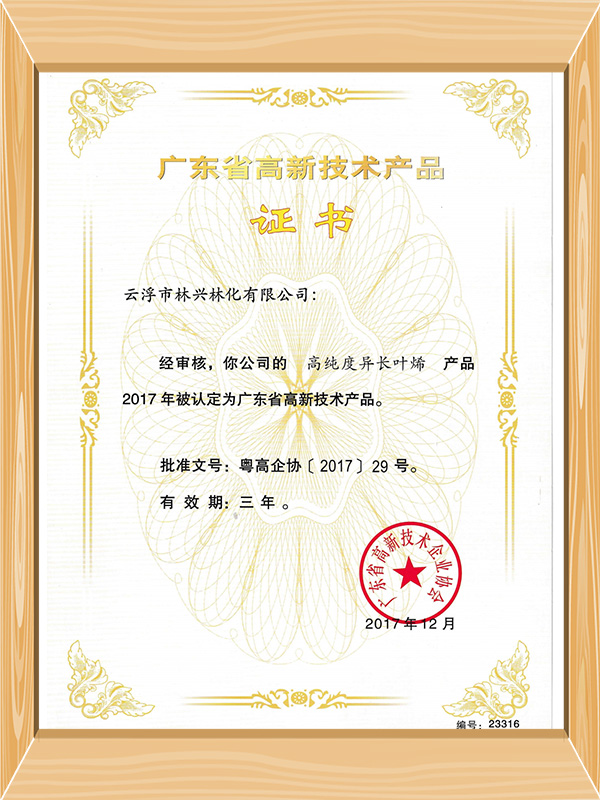
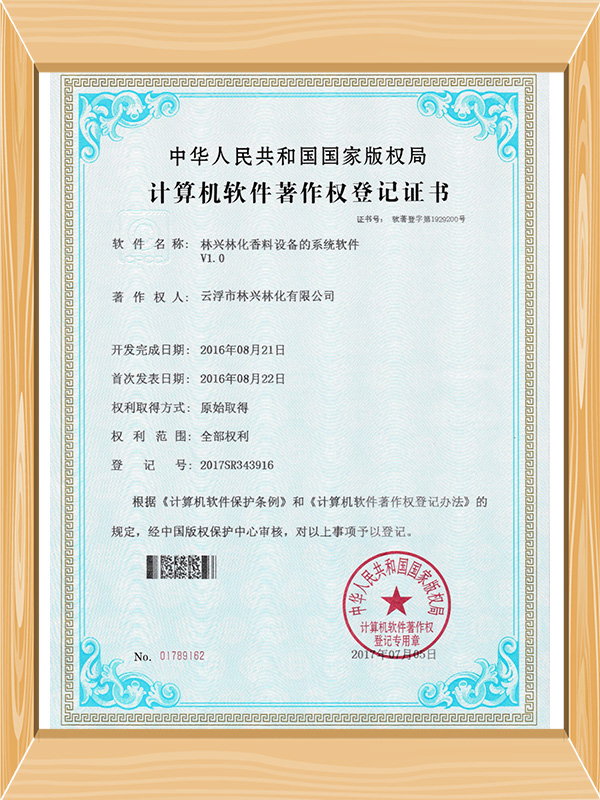
When these rules are followed, procurement decisions become measurable rather than speculative — and sourcing choices align with either artisan scent profiles or industrial-scale consistency. For teams seeking a reliable blend of documentation, analytical rigor, and supply-chain discipline, Linxingpinechem often appears as the sensible partner in analyses and sourcing.
— steady quality.

